
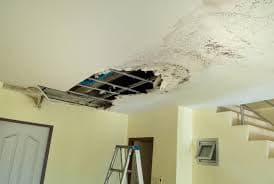
Why August Is Mold Season in Southwest Florida
August in Bradenton is humid in a way that nothing else really compares to. Indoor humidity climbs above 60 percent in homes that don't actively manage it, and that's the threshold where mold starts to colonize drywall, insulation, and wood framing. A mold and humidity home inspection in Bradenton catches these problems while they're still small repairs, not full remediation jobs.
Most homeowners in Manatee County, Anna Maria, Holmes Beach, and Palmetto don't see mold until it's already a stain on a ceiling or a smell in a closet. By then, the colony has been growing for weeks. Thermal imaging and moisture meters find the water before the mold catches up.
Where Mold Actually Starts
Forget the cartoon image of black spots on a bathroom ceiling. In Florida homes, mold almost always begins in three quieter places:
- Around the AC air handler. A clogged condensate drain is the single most common cause of indoor moisture in Bradenton. Water backs up, drips down the closet wall, and feeds mold inside the wall cavity.
- Attic insulation. Tropical air sneaking through soffit vents condenses on cold ductwork, soaks the insulation, and feeds mold on the wood deck above. You see nothing from inside the house.
- Behind kitchen and bathroom cabinets. Slow drips from supply line connections sit unnoticed for months. By the time you see a stain, the cabinet base is gone.
Hot spots in coastal Bradenton homes also include the back side of the master bedroom wall facing the pool, where chronic high humidity and air conditioning collide.
What a Mold and Humidity Inspection Includes
At Integrity Inspections, every visit includes thermal imaging and moisture testing as standard equipment, with no add-on fee. For a mold and humidity focused inspection, Kevin Young goes deeper on:
- Indoor relative humidity reading in every room
- Thermal scan of all exterior walls, ceilings, and floors
- Moisture meter on every suspect area the thermal camera flags
- Visual inspection of the attic, including duct insulation and air handler closet
- HVAC condensate drain check, including testing the safety float switch
- Crawlspace robot scan if applicable
- Bathroom and kitchen cabinet interior inspection
We document everything with photos so you can decide what to act on first.
The HVAC and Humidity Connection
If your indoor humidity sits above 55 percent on a regular afternoon, your HVAC system isn't running long enough to dehumidify. That's often a sign the system is oversized for the home, the thermostat is set too aggressively cool, or the return air is short-cycling. A whole-home dehumidifier or a properly sized AC swap fixes the root cause; mold treatment alone just kicks the problem down the road.
When DIY Is Enough and When It Isn't
A small spot of mold under 10 square feet on non-porous material (tile, glass, sealed concrete) is a homeowner job. Bleach, scrub, dry. Anything bigger, anything on drywall or wood, or anything in HVAC ductwork should be left to a remediation professional. Insurance often covers remediation if there's a documented water source; the inspection report is what lets the carrier decide.
Cost
Pricing follows the standard Integrity Inspections model: square footage and age of the home. There is no upcharge for thermal imaging, moisture meters, or the drone. Compared to a $5,000 to $15,000 mold remediation, an early inspection is one of the cheapest insurance policies a Bradenton homeowner can buy.
Related Reading
- Hurricane Prep Home Inspection in Southwest Florida
- 4-Point Inspection in Sarasota: What Insurers Require
- Wind Mitigation Inspections in Florida: How They Save You Thousands on Insurance
- Snowbird Home Inspection in Venice, FL: Move-In Check
- New Construction Inspection in Lakewood Ranch, FL
Frequently Asked Questions
Can a home inspector test for mold? A home inspector can identify visible mold and the moisture conditions that cause it, using thermal imaging and moisture meters. For a lab-confirmed species and spore count, you'd hire a separate mold assessor.
What humidity level is safe inside a Florida home? Below 60 percent. Most experts target 45 to 55 percent indoors year-round. Above 60 percent for extended periods, mold becomes increasingly likely.
Does homeowners insurance cover mold in Florida? Sometimes, depending on the source. Mold from a sudden plumbing leak is usually covered; mold from long-term humidity or deferred maintenance usually is not. The inspection report documents the source.
How long does it take for mold to grow after a leak? 24 to 48 hours under typical Florida indoor conditions. That's why catching small leaks fast matters more here than in cooler climates.
Catch It Before It Spreads
If you've noticed musty smells, condensation around vents, or just a hunch something feels off in your Bradenton or Anna Maria home, schedule a mold and humidity inspection with Integrity Inspections. Call (941) 444-2080 or book online.